
Currently Empty: €0.00
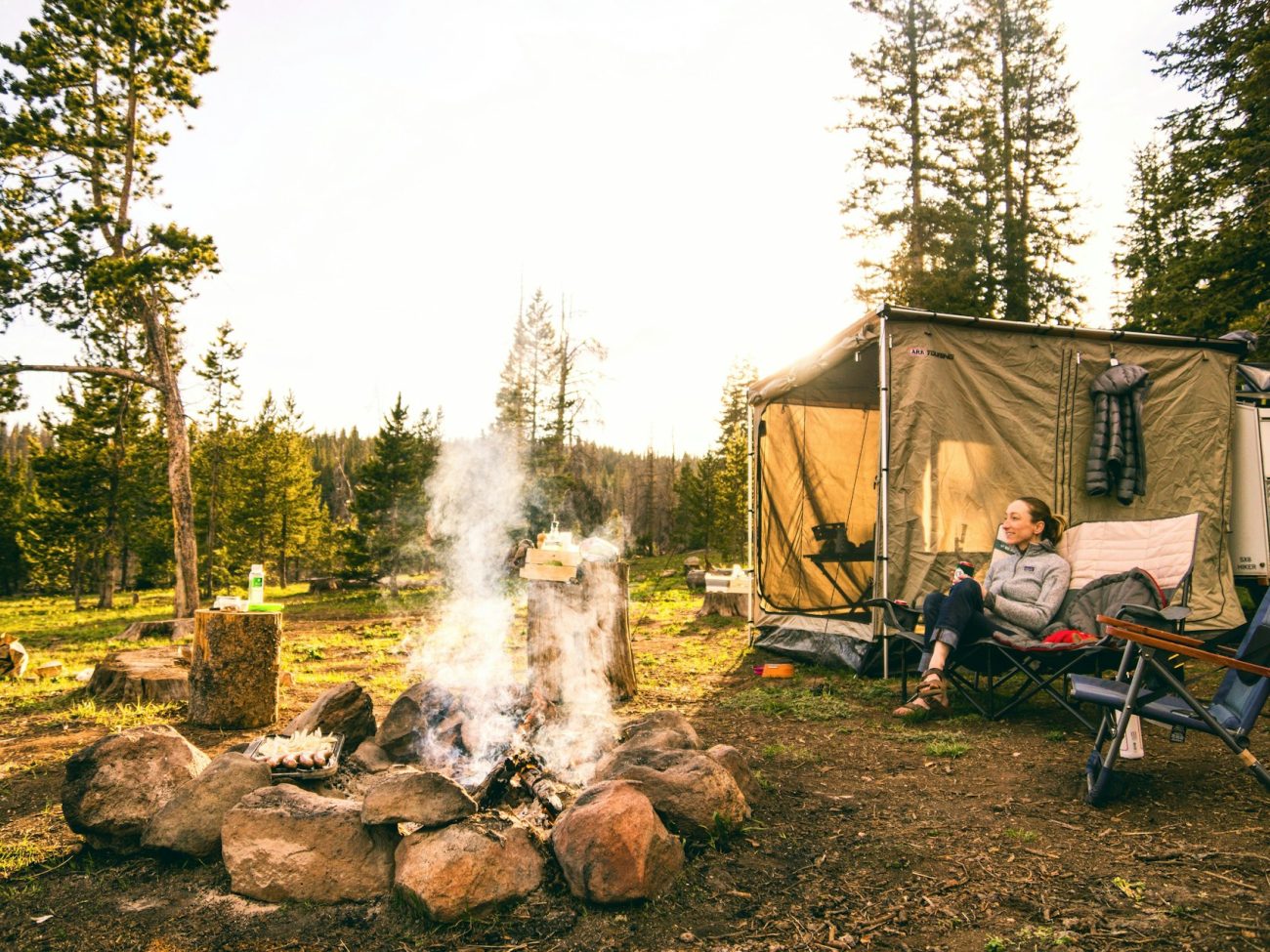
In a world where speed and efficiency often reign supreme, the concept of slow travel offers a refreshing and deeply meaningful perspective on exploring the great outdoors. Modern life constantly pushes us to move faster, check more places off our lists, and measure experiences by how much we accomplish in a limited amount of time. Yet, in this rush to see everything, we often fail to truly experience anything. Slow travel invites us to step away from this mindset and embrace a gentler, more intentional way of discovering the world—one that values presence, connection, and appreciation over hurried movement.
Rather than racing from one destination to another, slow travel encourages us to savor the journey itself. It is about allowing experiences to unfold naturally, without strict schedules or pressure. Imagine walking through a lush forest trail where every step reveals something new—the rustling of leaves in the wind, the scent of damp earth after a light rain, and the distant chirping of birds creating a soothing natural melody. In slow travel, these small details are not background noise; they become the heart of the adventure. You begin to notice textures, sounds, and rhythms that are easily missed when traveling in haste.
Slow travel also transforms how we interact with people and places. Picture yourself stopping at a roadside market in a quiet village, where colorful produce is neatly displayed and the air is filled with the aroma of freshly cooked local food. Instead of rushing past, you take time to sample traditional delicacies, ask questions about ingredients, and exchange smiles and stories with vendors. These simple interactions create authentic cultural connections that cannot be experienced through quick visits or packaged tours. Over time, these moments become the most cherished memories of a journey.
Another important aspect of slow travel is its positive impact on the environment. By choosing sustainable transportation methods such as walking, biking, or hiking, travelers significantly reduce their carbon footprint. Slow travel encourages thoughtful choices—like supporting local businesses, minimizing waste, and respecting natural ecosystems. When we move at a slower pace, we naturally become more aware of the delicate balance of the environments we explore. This awareness fosters a deeper sense of responsibility and encourages more mindful travel habits that help preserve natural beauty for future generations.
Beyond environmental benefits, slow travel also nurtures mental and emotional well-being. In today’s fast-paced world, many people experience constant stress, information overload, and a feeling of being perpetually rushed. Slowing down during travel offers a rare opportunity to disconnect from daily pressures and reconnect with oneself. Sitting quietly by a mountain stream, watching the flow of water, or simply observing a sunset without distraction can create moments of peace and clarity. These experiences remind us that joy often lies not in constant activity but in stillness and awareness.
Slow travel shifts our focus from quantity to quality. Instead of trying to visit ten destinations in a week, it encourages spending meaningful time in one place—exploring hidden corners, learning local traditions, and forming a genuine understanding of the surroundings. This depth of experience leads to richer stories, stronger memories, and a more fulfilling sense of adventure. It allows travelers to truly feel a place rather than just see it.
Ultimately, slow travel is more than a style of tourism—it is a philosophy and a mindset. It teaches patience, appreciation, and mindfulness in a world that often prioritizes speed above all else. By embracing slow travel, we learn to value the journey as much as the destination, to listen more closely to nature, and to open ourselves to spontaneous discoveries.
So the next time you plan an outdoor adventure, consider taking the slow route. Allow yourself the luxury of time, the freedom to wander without urgency, and the joy of noticing the small wonders that surround you. In a fast-moving world, choosing to slow down is not a limitation—it is a powerful and liberating choice that transforms travel into a deeply enriching and unforgettable experience.